Boosting ESG Conformance: The Role Data Center Infrastructure Drives Sustainable Business Practices
Boosting corporate responsibility standards in data center services is vital in contemporary corporate settings. As organizations encounter compliance demands, the value of computing facilities in supporting sustainable practices becomes critical. Diverse innovations, including advanced cooling systems and sustainable power options, contribute significantly in this evolution. Yet, difficulties continue to exist in reaching these aims. Grasping these factors is necessary for any entity striving to thrive in the green tech sector.
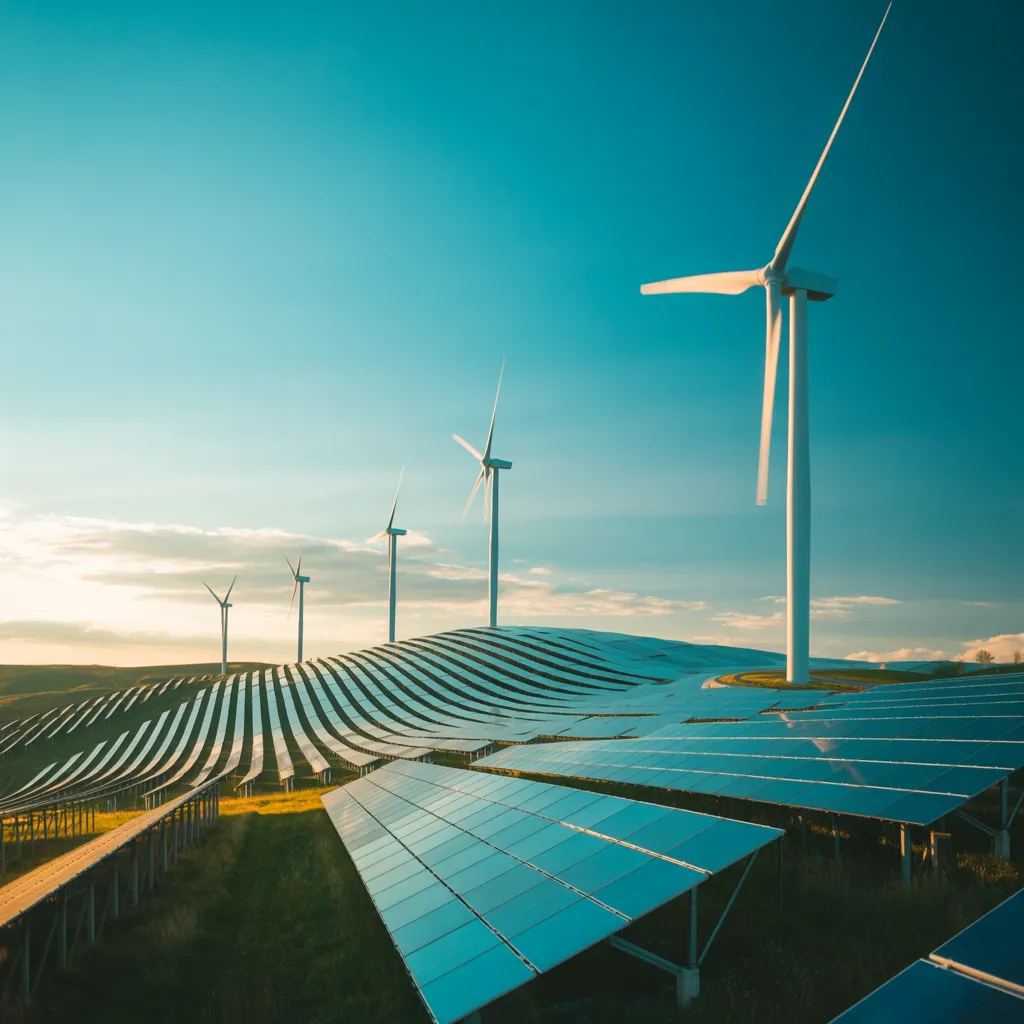
Why ESG Adherence Matters for Data Centers
Companies place greater emphasis on environmental responsibility, making understanding the importance of ESG adherence for data centers becomes essential. ESG, which represents Environmental, Social, and Governance, serves as a framework to evaluate how organizations handle risks and opportunities related to sustainability. For data centers, compliance with ESG standards is vital, as these facilities use considerable energy and resources. By following ESG guidelines, data centers can markedly reduce their environmental footprint, improve performance, and promote social responsibility.
Moreover, ESG compliance can enhance a data center's standing, attracting eco-aware customers and stakeholders. As regulatory frameworks change, companies face increasing pressure to demonstrate accountability and transparency in their related resource activities. Non-compliance may result in monetary fines and reputational damage. Ultimately, incorporating ESG factors into data center operations is not merely a compliance requirement; it is a strategic imperative for sustained growth and competitive advantage in a rapidly changing market.
Essential Technologies Advancing Sustainable Data Center Operations
Sustainable data center operations are increasingly shaped by important innovations concentrated on power optimization and renewable energy integration. Advancements in temperature control and energy distribution are improving energy utilization, while the adoption of solar and wind energy sources is decreasing carbon footprints. In combination, these improvements are creating a more environmentally responsible strategy to data center management.
Sustainable Energy Technologies
A remarkable transformation in data center operations is propelled by energy efficiency innovations that leverage advanced technologies. These innovations include cutting-edge cooling systems, such as liquid cooling and immersion cooling, which greatly reduce energy consumption compared to traditional methods. Additionally, the adoption of artificial intelligence and machine learning optimizes resource allocation, strengthening operational efficiency. Smart power distribution units (PDUs) track and regulate energy use dynamically, further minimizing waste. Furthermore, virtualization techniques provide better server utilization, lessening the need for physical hardware. Together, these improvements contribute to lower carbon footprints and operational costs, aligning data centers with sustainable business practices while meeting regulatory ESG compliance requirements. Consequently, energy efficiency innovations play an important role in shaping the future of sustainable data center operations.
Renewable Energy Incorporation
Incorporating renewable energy sources is key for enhancing sustainable data center operations. Data centers increasingly depend on solar, wind, and geothermal energy to energize their facilities, greatly reducing carbon footprints. Technologies like energy storage systems, including lithium-ion batteries, aid in balancing energy supply and demand, ensuring uptime during times of low renewable generation. Furthermore, state-of-the-art energy management software optimizes energy usage by assessing consumption patterns and adapting to real-time conditions. Many data centers are also adopting Power Purchase Agreements (PPAs) that ensure long-term renewable energy contracts, bolstering financial stability while promoting green energy advancement. By implementing these technologies, data centers not only improve their sustainability but also contribute broader ESG compliance initiatives, aligning business operations with environmental responsibility.
Increasing Energy Efficiency to Reduce Environmental Damage
Enhancing power conservation is necessary for data centers attempting to cut down their carbon footprint. This can be executed through creative system design, cutting-edge cooling technologies, and the blending of renewable energy sources. By emphasizing these areas, data centers can strengthen environmental stewardship while keeping production efficiency.
Energy-Efficient Infrastructure Planning
Establishing energy-conscious operations functions as a core strategy for data centers aiming to reduce their environmental footprint. By harnessing advanced materials, optimizing operational setups, and integrating renewable energy sources, data centers can substantially reduce energy requirements. Installing smart lighting and intelligent systems strengthens operational efficiency further. In addition, reliable control systems allow for continuous observation, assisting data centers to detect and fix inefficiencies promptly. The adoption of modular designs can similarly facilitate scalability while maintaining energy efficiency. At the end of the day, these infrastructure improvements not only bolster compliance with environmental, social, and governance (ESG) standards but also promote long-term sustainability. Through strategic design, data centers advance to a greener future while enhancing their overall business performance.
Cutting-edge Cooling Technologies
Advanced temperature regulation technologies perform an critical function in improving energy efficiency within data centers while limiting their environmental impact. Innovations such as liquid cooling solutions, which carry heat away from key parts, significantly reduce energy consumption compared to traditional air-based cooling. Moreover, smart cooling solutions employ monitoring devices and AI algorithms to constantly modulate cooling based on immediate requirements, further optimizing energy efficiency. Implementing free cooling techniques utilizes natural environmental conditions, enabling data centers to operate effectively without relying entirely on mechanical systems. By adopting these cutting-edge cooling solutions, organizations can achieve strong decreases in power usage effectiveness, ultimately contributing to reduced greenhouse gases and a more environmentally responsible operation.
Renewable Energy Integration
The incorporation of renewable energy sources into data center activities constitutes a significant step towards achieving sustainability goals. By leveraging solar, wind, and hydroelectric power, data centers can substantially reduce their carbon footprints. These facilities are progressively adopting energy-efficient technologies that enhance power usage, such as advanced power management systems and smart grid solutions. Additionally, incorporating energy storage solutions allows for improved management of renewable energy supply, guaranteeing a stable power flow even during variable conditions. This change not only lowers operational costs but also strengthens compliance with Environmental, Social, and Governance (ESG) standards. Ultimately, renewable energy integration promotes a more sustainable approach to data center management, aligning business practices with broader environmental objectives.
Powerful Resource Optimization Strategies for Sustainable Data Centers
While many organizations seek for sustainability, effective resource management techniques are crucial for data centers attempting to lower environmental impact. Installing state-of-the-art cooling technologies, such as liquid cooling or free air cooling, can markedly reduce energy consumption. Moreover, implementing virtualization technologies allows for maximum efficiency of physical servers, reducing the need for additional hardware and energy.
Frequent assessment of energy usage via analytical examination of data helps identify operational gaps and areas for betterment. In addition, employing modular architectural approaches enables data centers to scale resources in line with actual demand, avoiding overprovisioning.
Establishing a robust waste management initiative for e-waste is important for lowering landfill contributions. Moreover, engaging in responsible sourcing practices confirms that all materials sourced align with eco-conscious benchmarks. Together, these strategies form an inclusive strategy for data centers to operate more sustainably, ultimately promoting broader ESG compliance targets while strengthening operational efficiency.
Presenting ESG Adherence Success Stories in Data Centers
As organizations increasingly dedicate themselves to environmental stewardship, several computing centers have surfaced as exemplars of ESG fulfillment, illustrating transformative approaches to environmental stewardship. One notable case study is a center in Amsterdam that leverages next-generation cooling approaches, considerably mitigating power demands while maintaining peak performance. This facility has achieved a 40% decrease in greenhouse gas signature through the application of clean energy alternatives, such as wind and solar power.
Another success story is a data center in Singapore that emphasizes water preservation by utilizing a closed-loop thermal system, cutting water usage by 70%. This facility also works together with local communities to support environmental consciousness and green initiatives.
Also, a data center in Northern Virginia has implemented stringent waste control procedures, diverting over 90% of its waste from landfills. These case studies demonstrate how data centers can lead the way in corporate sustainability standards, setting benchmarks for environmentally conscious operations in the industry.
What Challenges Do Data Centers Confront in Accomplishing ESG Compliance?
Achieving environmental, social, and governance compliance brings several issues for data centers, despite the encouraging examples of success shared previously. One major hurdle is the considerable energy consumption related to data center operations, resulting in considerable carbon footprints. Many centers struggle to implement renewable energy solutions due to financial limits or infrastructural barriers. Additionally, regulatory requirements can vary widely across regions, making compliance a complicated, fragmented process that needs constant monitoring and adaptation.
One setback involves the implementation of green methods throughout existing operations. Data centers commonly struggle with refurbishing older facilities to conform to modern ESG standards. In addition, the dynamic nature of technology demands regular investment in upgrades, which can weigh on budgets. Ultimately, staff development and awareness of ESG principles are important yet frequently ignored, further making difficult reaching sustainability goals. These obstacles stress the necessity of thoughtful strategy and innovation in data center operations to attain meaningful ESG compliance.
Upcoming Trends in Data Center Environmental Responsibility and ESG Compliance
Emerging patterns in data center green practices and ESG compliance are poised to reshape the industry landscape markedly. The accelerating uptake of alternative energy sources, such as solar and wind, is a primary focus, as data centers work to minimize their carbon footprints. Additionally, the merging of advanced cooling technologies, including liquid cooling and free-air cooling, is building momentum to strengthen energy efficiency.
Moreover, the rise of AI and ML in resource allocation allows data centers to streamline operational efficiency, reducing waste and enhancing energy efficiency. Regulatory structures are also evolving, compelling organizations to implement more stringent ESG standards.
As stakeholders insist on greater openness, data centers will increasingly adopt blockchain technology to ensure transparency in their green initiatives. In total, these trends will not only advance compliance but also nurture innovation, positioning data centers as leaders in the shift to a more responsible digital economy.
Regularly Common Questions
What Approaches Can Small Data Centers Strengthen Their ESG Regulatory Strategies?
Small data centers can enhance ESG compliance by adopting low-power technologies, deploying waste prevention strategies, optimizing resource allocation, and practicing transparent reporting. Cooperation with partners further reinforces their pledge to responsible organizational operations and accountability.
What Contribution Do Interested Parties Make in Data Center Environmental Social Governance Initiatives?
Key stakeholders contribute significantly to data center ESG initiatives by delivering insights, resources, and accountability. Their participation encourages collaborative efforts, making sure that green targets match up with operational practices and community expectations, ultimately strengthening overall compliance and effectiveness.
Are There Certifications for Data Centers Addressing ESG Compliance?
Yes, several standards exist for data centers stressing ESG compliance, such as ISO 14001 for environmental management and LEED for energy conservation. These credentials help confirm that facilities meet sustainability standards and stakeholder demands.
In What Ways Does ESG Compliance Shape Data Center Costs and Pricing?
ESG adherence can boost data center expenditures due to investments in renewable technologies and initiatives. However, it may also lead to sustained savings and improved pricing strategies by acquiring planet-aware clients and fortifying brand prestige.
Which Frequent Myths Surround ESG in Data Center Infrastructure?
Frequent misconceptions about ESG in data centers involve the assumption that compliance is chiefly a financial burden, that it's unconnected to operational effectiveness, and that it solely pertains to large-scale organizations, overlooking smaller organizations' duties.